
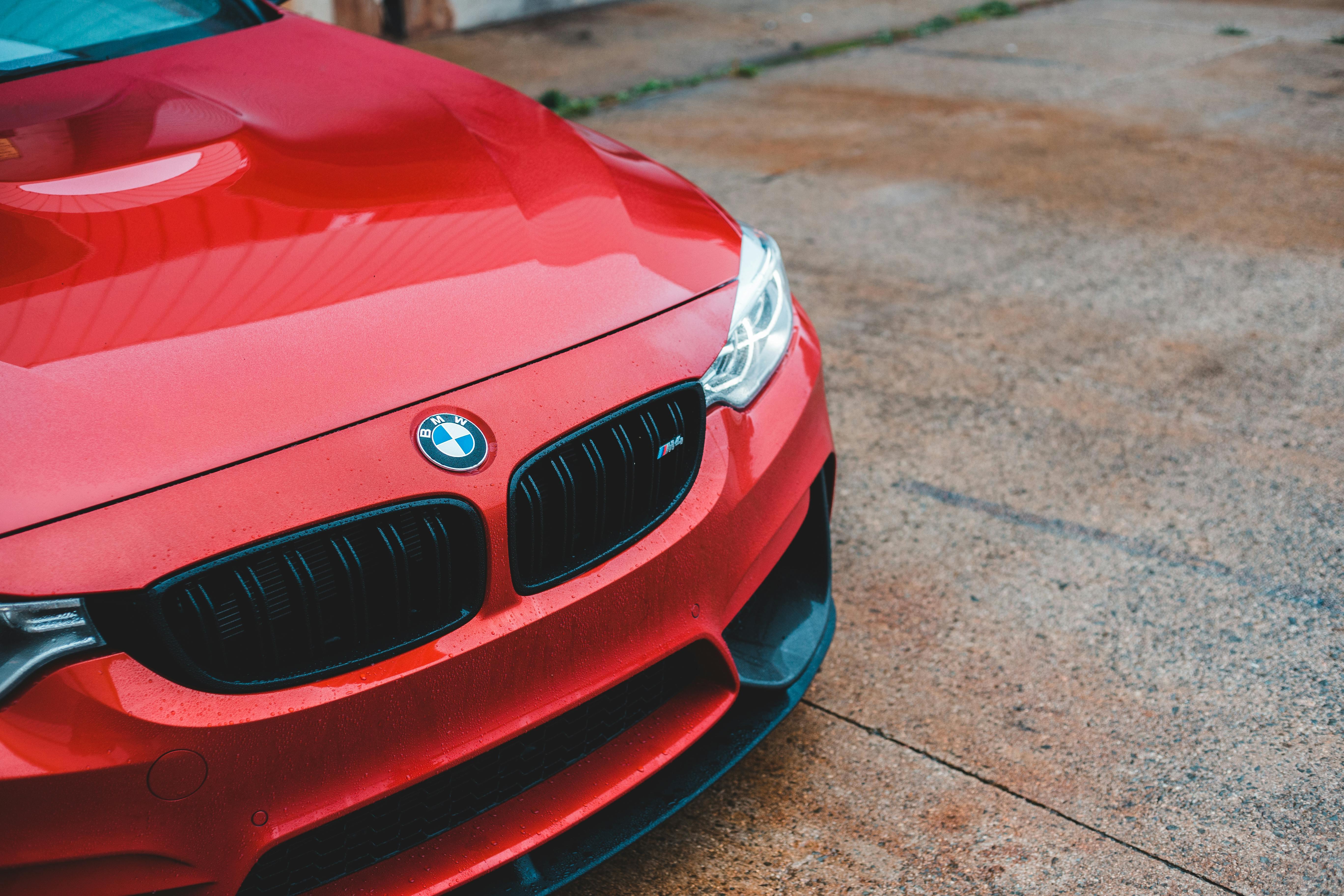
Maintaining colored ppf properly is essential for preserving both the appearance and protection of your vehicle. Colored paint protection film has become one of the most advanced automotive styling solutions because it combines premium paint protection with a customized finish. Whether applied in gloss, satin, matte, or metallic finishes, colored PPF provides a durable barrier against road debris, UV exposure, scratches, and environmental contaminants. However, without the correct maintenance routine, even the highest-quality film can lose its shine and performance over time.
Vehicle owners who invest in colored PPF expect long-lasting aesthetics, superior protection, and consistent surface clarity. Proper cleaning techniques, maintenance schedules, and protective care significantly increase the lifespan of the film while helping the vehicle maintain a showroom-quality appearance year after year.
Why Proper Colored PPF Maintenance Matters
Colored paint protection film is engineered using advanced thermoplastic polyurethane materials that deliver self-healing properties and resistance against external damage. While the film itself is highly durable, neglecting regular maintenance can lead to contamination buildup, water spots, fading, staining, and reduced gloss retention.
Dirt, road salt, bird droppings, tree sap, and industrial fallout can gradually weaken the film’s top layer if left untreated. Regular maintenance prevents contaminants from embedding into the surface and ensures the film continues performing at its highest level.
Maintaining colored PPF also helps preserve the original styling effect. Whether the vehicle features a satin black finish, gloss red metallic appearance, or stealth matte look, proper care ensures the color remains vibrant and visually flawless.
Understanding the Surface Characteristics of Colored PPF
Before cleaning colored PPF, understanding the surface structure is important. Unlike traditional automotive paint, PPF contains multiple protective layers designed to absorb impacts and resist scratches. Most premium colored PPF products also include hydrophobic coatings that repel water and contaminants.
These specialized layers require gentle cleaning methods. Harsh chemicals, abrasive brushes, or improper washing techniques may damage the film surface or reduce its self-healing capabilities. Treating colored PPF correctly protects its elasticity, finish consistency, and optical clarity.
Different finishes also require slightly different maintenance approaches. Gloss colored PPF emphasizes shine and reflection, while matte and satin finishes require special attention to prevent polishing marks or uneven surface appearance.
Best Washing Practices for Colored PPF
Use the Two-Bucket Hand Wash Method
The safest way to clean colored PPF is through a controlled hand wash using the two-bucket method. One bucket should contain clean water, while the second contains pH-neutral automotive shampoo.
This process minimizes swirl marks and prevents dirt particles from scratching the surface during washing. Always use a soft microfiber wash mitt rather than rough sponges or brushes.
Washing should begin from the upper sections of the vehicle and continue downward. Lower panels collect more contaminants and should be cleaned last to reduce cross-contamination across the film.
Choose a pH-Neutral Car Shampoo
Strong detergents and aggressive cleaners can damage the protective top coat of colored PPF. A high-quality pH-neutral shampoo is specifically designed to clean the surface without stripping hydrophobic properties or affecting the finish.
Avoid household cleaners, degreasers, or dish soaps because these products may dry out the film surface and reduce long-term durability.
Wash the Vehicle Regularly
Frequent washing prevents contaminants from bonding to the film. In most environments, washing the vehicle every one to two weeks is ideal. Vehicles exposed to heavy pollution, road salt, coastal environments, or harsh weather conditions may require more frequent cleaning.
Regular washing not only maintains visual appeal but also protects the film from premature aging caused by environmental exposure.
How to Dry Colored PPF Correctly
Improper drying is one of the most common causes of water spots and surface marring. After rinsing the vehicle thoroughly, use premium microfiber drying towels or filtered air blowers to remove water safely.
Dragging rough towels across the film can create fine scratches over time. Instead, use gentle blotting or smooth directional wiping techniques.
Drying should be completed immediately after rinsing because mineral deposits in water can leave permanent spotting on the surface if allowed to evaporate naturally under direct sunlight.
Removing Common Contaminants from Colored PPF
Bird Droppings and Bug Residue
Bird droppings contain acidic compounds that can stain colored PPF if ignored. Bug residue may also harden onto the surface during hot weather. These contaminants should be removed as quickly as possible using a microfiber towel and a PPF-safe detail spray.
Never scrape contaminants aggressively because excessive pressure may damage the film surface.
Tree Sap and Tar
Tree sap and road tar require specialized cleaners designed for paint protection film. Apply the cleaner gently, allow it to soften the contaminant, and wipe carefully using microfiber materials.
Using harsh solvents or abrasive tools may weaken the film’s protective coating and affect color consistency.
Water Spots and Mineral Deposits
Hard water stains are common on vehicles parked outdoors. Water spot removers formulated specifically for PPF can safely dissolve mineral buildup without harming the film.
Routine drying after washing significantly reduces the risk of stubborn water spotting.
Can You Use Ceramic Coating on Colored PPF
Applying ceramic coating over colored PPF is one of the most effective ways to enhance durability and simplify maintenance. Ceramic coatings create an additional hydrophobic layer that improves water repellency, chemical resistance, and gloss retention.
For matte or satin colored PPF finishes, specialized matte ceramic coatings should be used to preserve the original texture and appearance. Traditional gloss coatings may alter the intended finish.
Ceramic-coated colored PPF requires less maintenance because dirt and contaminants struggle to adhere to the slick surface. Washing becomes easier, and the vehicle retains its polished appearance for longer periods.
Things to Avoid When Cleaning Colored PPF
Automatic Car Washes
Brush-style automatic car washes are highly damaging to colored PPF. The rotating brushes often contain dirt particles that create swirl marks and micro-scratches across the film surface.
Touchless washes are safer but may still use aggressive chemicals unsuitable for long-term PPF care. Hand washing remains the preferred cleaning method for maintaining premium film quality.
Abrasive Polishing Compounds
Colored PPF should never be polished aggressively using cutting compounds or abrasive pads. These products may damage the top coat and permanently alter the finish.
Matte and satin films are especially sensitive because polishing can create uneven glossy patches that cannot be corrected easily.
Pressure Washing Too Closely
Pressure washers can safely clean colored PPF when used correctly. However, spraying high-pressure water too close to film edges may cause lifting or peeling.
Maintain a safe distance while washing and avoid directing concentrated pressure directly at seams or corners.
Seasonal Maintenance Tips for Colored PPF
Summer Protection
During summer months, UV exposure and high temperatures increase the risk of contamination buildup. Parking in shaded areas or using covered parking helps preserve film color and reduce heat stress.
Frequent washing during summer also removes bug splatter, pollen, and dust accumulation more effectively.
Winter Protection
Winter road salt and moisture create harsh conditions for vehicles protected with colored PPF. Washing the vehicle regularly during winter prevents corrosive materials from accumulating on the surface.
Pay special attention to wheel arches, lower body panels, and front bumpers where salt exposure is highest.
How Long Does Colored PPF Last with Proper Maintenance?
High-quality colored PPF can last anywhere from five to ten years depending on environmental conditions, installation quality, and maintenance habits. Vehicles that receive consistent cleaning and proper care maintain superior gloss retention and stronger protective performance over time.
Professional installation also plays a major role in longevity. Properly installed film resists lifting, bubbling, and premature wear more effectively than poorly applied alternatives.
Routine maintenance inspections help identify minor issues before they become major problems. Small edge lifts or contamination buildup can often be corrected early, preventing long-term damage.
Professional Detailing for Colored PPF
Professional detailing services specifically designed for paint protection film can further improve the appearance and lifespan of colored PPF. Experienced detailers use safe chemicals, advanced cleaning methods, and protective treatments tailored for film surfaces.
Annual maintenance detailing may include decontamination washes, hydrophobic boosters, infrared healing treatments, and ceramic coating reapplications. These services restore shine and help maintain the premium appearance of the vehicle.
Owners of luxury vehicles, sports cars, and exotic automobiles often rely on professional PPF maintenance programs to preserve factory-quality aesthetics year-round.
Conclusion
Colored PPF delivers a perfect combination of vehicle customization and advanced surface protection, but long-term performance depends heavily on proper maintenance. Consistent washing, safe drying methods, contamination removal, and protective treatments all contribute to preserving the film’s shine, clarity, and durability.
Using pH-neutral products, microfiber materials, and careful hand washing techniques prevents unnecessary wear while protecting the film’s self-healing capabilities. Avoiding abrasive cleaners, automatic car washes, and improper pressure washing further extends the lifespan of the film.
With proper care, colored PPF continues providing exceptional gloss, premium styling, and superior paint protection for many years, helping vehicles maintain a flawless appearance in all driving conditions.

 English
 Arabic
 French
 Spanish
 Portuguese
 Turkish
 Dutch
Dutch
 Italiano
 Russian
 Romaian
 Portuguese (Brazil)
 Tiếng Việt