
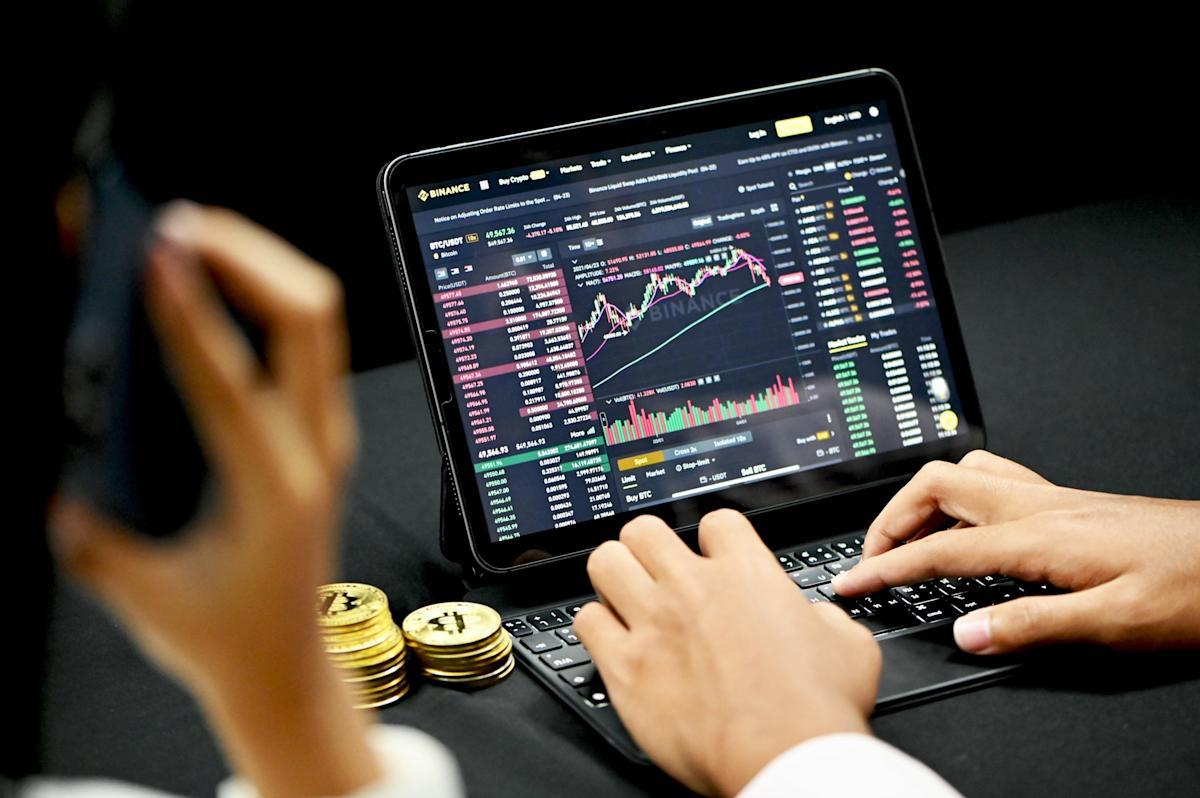
The cryptocurrency market has evolved into a trillion-dollar asset class. As of 2026, the global crypto market capitalization fluctuates around $1–2 trillion, with daily trading volume often exceeding $50 billion.
For investors and traders, choosing the right crypto trading platform is no longer optional — it’s essential.
A good platform doesn’t just execute trades. It provides security, liquidity, advanced tools, and educational support that help traders manage risk and maximize returns.
This guide explains how to evaluate platforms, apply effective crypto trading strategies, and use leverage responsibly — all aligned with smart investing principles.
What Is a Crypto Trading Platform?
A crypto trading platform is an online exchange that allows users to buy, sell, and trade digital assets like Bitcoin, Ethereum, and altcoins.
There are two main types:
1. Centralized Exchanges (CEX)
-
Operated by companies
-
High liquidity
-
Advanced trading features
-
Custodial wallets
2. Decentralized Exchanges (DEX)
-
Peer-to-peer transactions
-
Non-custodial
-
Smart contract-based
-
Higher privacy
For most investors and active traders, centralized exchanges remain the primary choice due to ease of use and liquidity depth.
Key Features of a Reliable Crypto Trading Platform
When evaluating a platform, consider these critical factors:
1. Security & Regulation
Look for:
-
Two-factor authentication (2FA)
-
Cold wallet storage
-
Proof of reserves
-
Regulatory compliance
Security breaches have cost the industry billions. According to blockchain analytics firms, crypto hacks exceeded $3 billion in some recent years, emphasizing the importance of platform security.
2. Trading Fees & Transparency
Most platforms charge:
-
Spot trading fees: 0.1%–0.5%
-
Futures trading fees: Lower but volume-based
-
Deposit/withdrawal fees
Even a 0.1% difference in fees can significantly impact high-frequency traders over time.
3. Liquidity & Market Depth
High liquidity ensures:
-
Tighter spreads
-
Faster order execution
-
Reduced slippage
Investors trading large volumes must prioritize platforms with deep order books.
4. Trading Tools & Analytics
Advanced platforms provide:
-
Real-time charting
-
Technical indicators
-
API integration
-
Risk management tools
Professional traders rely heavily on charting systems to execute structured crypto trading strategies.
Crypto Trading Strategies That Work
Successful investors don’t trade randomly. They follow tested strategies.
Here are the most widely used approaches:
1. Day Trading
Short-term trades within the same day.
Requires constant monitoring and technical analysis.
2. Swing Trading
Holding positions for days or weeks based on momentum trends.
3. Dollar-Cost Averaging (DCA)
Investing fixed amounts regularly to reduce volatility impact.
4. Trend Following
Buying in uptrends, selling in downtrends using moving averages.
Each strategy requires discipline, risk control, and emotional stability.
Understanding Leverage Trading Crypto
Leverage trading crypto allows traders to borrow funds to increase position size.
For example:
-
10x leverage means $1,000 controls $10,000
-
Profits multiply — but so do losses
Example:
If Bitcoin moves 5%:
-
With no leverage → 5% return
-
With 10x leverage → 50% gain (or loss)
Important: Over 70% of retail traders lose money in leveraged markets according to derivatives market data.
Leverage should only be used by experienced traders with strict stop-loss rules.
Why You Should Use a Crypto Trading Simulator
Before risking real money, smart traders practice.
A crypto trading simulator allows:
-
Paper trading with virtual funds
-
Strategy testing
-
Learning without risk
-
Performance tracking
This is especially useful for beginners and finance learners transitioning into live trading.
Simulators help improve:
-
Risk management
-
Entry & exit timing
-
Emotional discipline
Risk Management — The Foundation of Profitable Trading
Even the best crypto trading platform cannot protect traders from poor decisions.
Follow these core risk principles:
-
Never risk more than 1–2% of capital per trade
-
Always use stop-loss orders
-
Avoid emotional trading
-
Diversify positions
-
Keep leverage low
Professional traders prioritize capital preservation over aggressive gains.
Data Insight — Comparing Platform Metrics
Chart/Table Idea (For Article Visual Section):
Create a comparison table including:
-
Trading Fees (%)
-
Daily Volume
-
Supported Coins
-
Leverage Options
-
Security Rating
-
Availability of Crypto Trading Simulator
This visual comparison helps readers make data-driven decisions.
Frequently Asked Questions (FAQ)
What is the safest crypto trading platform?
The safest platform is one with strong security measures, regulatory compliance, cold storage, and transparent proof-of-reserves systems.
Is leverage trading crypto suitable for beginners?
No. Leverage amplifies losses and is better suited for experienced traders with strict risk management strategies.
How can I practice crypto trading without losing money?
You can use a crypto trading simulator to test strategies and gain confidence before trading live.
What is the best crypto trading strategy for beginners?
Dollar-Cost Averaging (DCA) is often recommended because it reduces the impact of market volatility.
Conclusion: Trade Smart, Not Fast
The crypto market offers immense opportunities — but also significant risks.
Choosing the right crypto trading platform, applying structured crypto trading strategies, understanding leverage trading crypto, and practicing with a crypto trading simulator can dramatically improve long-term success.
Successful investors focus on:
-
Risk management
-
Consistency
-
Education
-
Data-driven decisions
Crypto trading is not gambling. It’s a skill.
If you’re serious about investing, start by selecting a secure platform, test your strategy in a simulator, and trade with discipline.
For more expert insights on crypto markets, investing trends, and trading education, explore more guides on InvestingField.com and stay ahead of the market curve.

 English
 Arabic
 French
 Spanish
 Portuguese
 Deutsch
 Turkish
 Dutch
Dutch
 Italiano
 Russian
 Romaian
 Portuguese (Brazil)