
Introduction
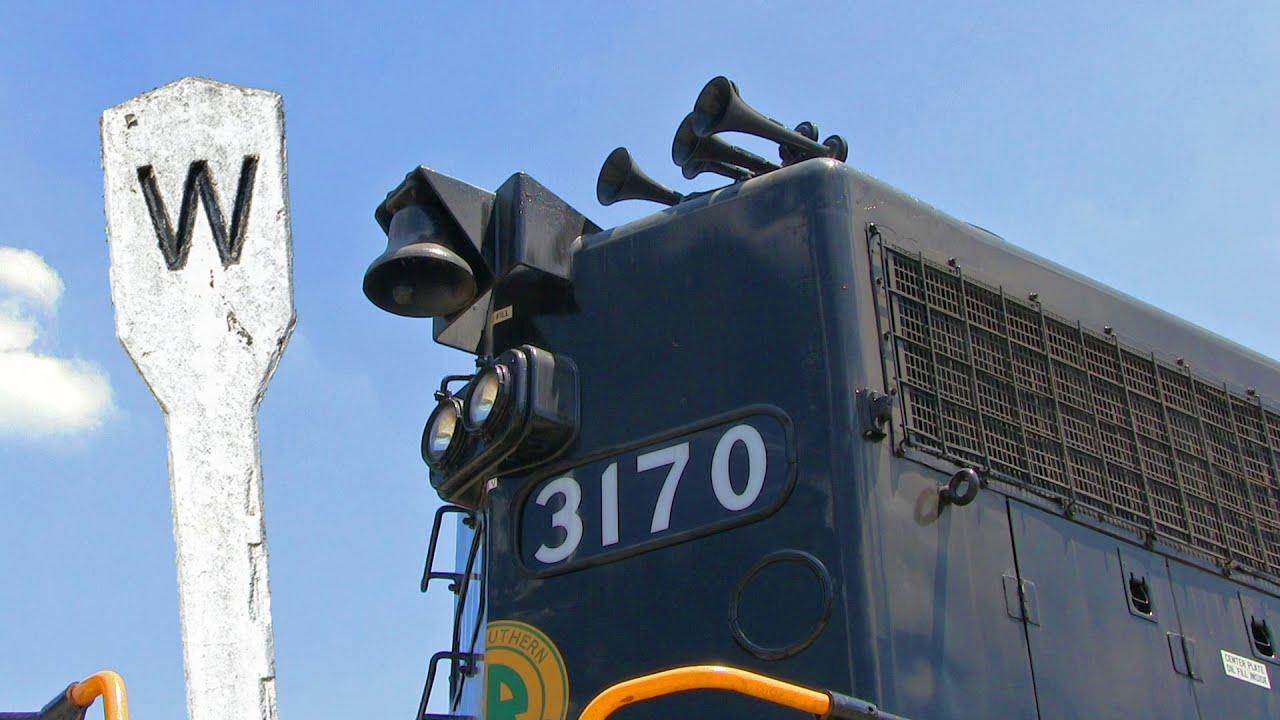
The railway horn market focuses on audible warning devices installed on locomotives, metro trains, and rail maintenance vehicles to alert pedestrians, road users, and railway staff of an approaching train. Railway horns are critical safety components designed to produce high-decibel, distinctive sound patterns that can be heard over long distances and through ambient noise. They are especially important at level crossings, yards, stations, tunnels, and during shunting operations. As rail traffic density increases and trains operate at higher speeds, reliable and effective audible warning systems have become essential for preventing accidents and ensuring safe coexistence between rail networks and surrounding communities.
Market Drivers
The market is driven by stringent railway safety regulations that mandate the use of approved audible warning systems on trains. Railway authorities require horns that meet specific sound pressure levels and frequency standards to ensure audibility under varying environmental conditions. Expansion of passenger rail, metro systems, and freight corridors increases the number of locomotives and rail vehicles requiring horn installation. Growth in urban rail networks also supports demand, as trains frequently operate near populated areas where clear warning signals are necessary. Modernization and refurbishment of aging rolling stock further drive replacement demand for railway horns that comply with updated safety standards.
Market Challenges
Despite steady demand, the railway horn market faces challenges related to noise pollution and regulatory restrictions. In densely populated urban areas, excessive horn noise can cause community complaints and lead to restrictions on horn usage, especially during night hours. Balancing safety requirements with noise reduction expectations is a key challenge for manufacturers and operators. Horns must operate reliably under harsh conditions such as vibration, dust, moisture, and temperature extremes, which can affect sound consistency and component lifespan. Ensuring compatibility with different locomotive designs and power systems adds technical complexity. Cost sensitivity in large fleet deployments can also limit adoption of advanced horn technologies.
Market Opportunities
The market offers opportunities through innovation in sound control and material design. Development of directional horns and electronically controlled sound patterns helps focus warnings where needed while reducing unnecessary noise spread. Use of corrosion-resistant materials and improved diaphragm designs enhances durability and performance consistency. Integration of horns with train control and signaling systems enables automated activation in high-risk zones such as level crossings. Growth of metro and light rail systems creates demand for compact and efficient horn solutions suited to urban environments. Emerging markets expanding rail infrastructure present long-term opportunities for standard-compliant and cost-effective railway horn systems.
Regional Insights
Regional demand varies based on rail network size, safety enforcement, and urbanization levels. North America represents a significant market due to extensive freight rail operations and strict horn usage regulations at level crossings. Europe shows steady demand driven by safety compliance and modernization of rolling stock, alongside increasing use of controlled horn zones. Asia-Pacific is a rapidly growing market supported by large-scale rail expansion, metro development, and increasing freight movement in countries such as China and India. The Middle East shows emerging demand linked to new rail projects, while Latin America and Africa present gradual growth as railway safety infrastructure improves.
Future Outlook
The future of the railway horn market will be shaped by smarter safety systems and noise management strategies. Horns will increasingly be integrated with automated train protection and crossing warning systems to ensure timely and targeted activation. Advances in acoustic engineering may enable more effective warning signals with reduced noise impact. Digital control and diagnostics will improve reliability and maintenance planning. As rail networks expand into urban areas, demand for horns that balance safety and community acceptance will grow. Continued emphasis on accident prevention will sustain long-term market demand.
Conclusion
The railway horn market remains a vital component of rail safety infrastructure, providing essential audible warnings that help prevent accidents and protect lives. While challenges related to noise control and environmental concerns exist, strict safety regulations and expanding rail operations continue to drive demand. Through innovation in design, materials, and control systems, railway horns will continue to evolve to meet modern safety and operational requirements. As rail transport grows worldwide, reliable and effective railway horn systems will remain indispensable for safe railway operations.

 English
 Arabic
 French
 Spanish
 Portuguese
 Turkish
 Dutch
Dutch
 Italiano
 Russian
 Romaian
 Portuguese (Brazil)
 Tiếng Việt